How to Evaluate Residential Solar Systems for Your Home?
Evaluating residential solar systems can be a daunting task for many homeowners. With an abundance of options and technologies, making the right choice is crucial. Industry expert Dr. Sarah Thompson states, “Choosing the right solar system requires understanding your energy needs and local conditions.” Her insight emphasizes the importance of a tailored approach.
Homeowners should consider factors such as energy consumption, roof orientation, and local climate when assessing residential solar systems. Each element plays a critical role in system performance. For instance, a south-facing roof typically captures more sunlight, enhancing efficiency. However, many overlook potential shade from trees or nearby buildings, which can impact energy production.
Moreover, the technology used in residential solar systems is evolving rapidly. New innovations emerge regularly, yet not all are suitable for every home. It’s essential to question the reliability of manufacturers and ask for verifiable performance data. This helps in making informed decisions. Embracing these evaluations can feel overwhelming, but a systematic approach will lead to a more sustainable energy future.
Understanding Solar Power: Key Benefits for Residential Systems
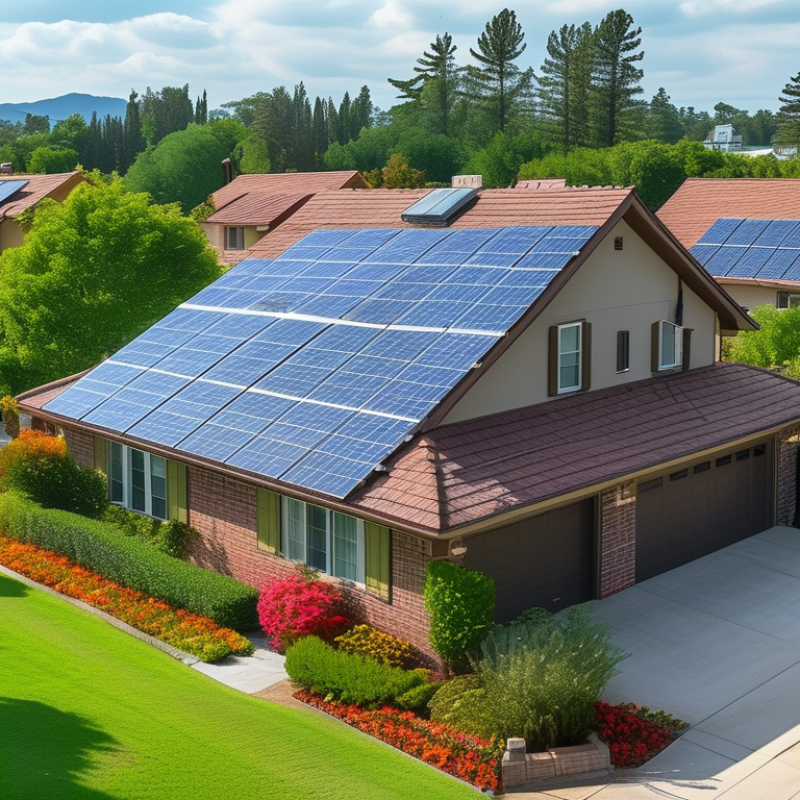
Understanding solar power for residential systems reveals several key benefits. First, it can significantly reduce electricity bills. Homeowners can save money over time, thanks to the efficiency of solar panels. Additionally, this energy source is environmentally friendly. Solar power reduces greenhouse gas emissions, contributing to a healthier planet.
While considering solar power, evaluate your home's sunlight exposure. Not every roof is ideal for solar panels. Conduct a thorough inspection to assess potential shading from trees or buildings. A professional can help determine the best placement for maximum sunlight.
Considering local incentives is also essential. Many regions offer tax credits or rebates for solar installations. Researching these programs can enhance your savings.
Keep in mind that maintenance is necessary. While solar systems typically require minimal upkeep, regular check-ups help maintain efficiency. Be aware that some solar panels may degrade over time. This reality emphasizes the need for a reliable warranty.
Assessing Energy Needs: Calculating Your Home's Solar Requirements
Assessing your home's solar requirements begins with understanding your energy needs. Start by reviewing your electricity bills from the last year. Identify your average monthly usage in kilowatt-hours (kWh). According to the U.S. Energy Information Administration, the average American household consumes about 877 kWh per month. This figure provides a solid baseline for calculating your solar requirements.
Next, determine the solar system size you need. A general rule of thumb is to divide your monthly energy consumption by the average peak sunlight hours for your location. For instance, if you receive about five hours of direct sunlight daily, a 5 kW system could meet your needs. However, inefficiencies and system losses can affect performance. Reports suggest accounting for a 15% to 20% energy loss due to factors like shading and temperature.
Utilize online solar calculators to refine your estimates. These tools offer insights based on your location and energy usage patterns. However, they may not capture the unique nuances of your home. Factors such as roof orientation, shading from trees, and local incentives can significantly influence your system's performance and viability. Addressing these variables requires thorough research and reflection on your specific situation.
Evaluating Solar Panel Types: Monocrystalline vs. Polycrystalline
When choosing between monocrystalline and polycrystalline solar panels, a few factors significantly influence the decision. Monocrystalline panels are made from single-crystal silicon. They tend to be more efficient and take up less space for the same output. Their sleek black appearance can be an added aesthetic benefit for many homes. However, their cost is generally higher than polycrystalline panels.
Polycrystalline panels, on the other hand, are made from multiple silicon crystals. This makes them less efficient but also more affordable. They usually have a bluish hue, which some homeowners may find less visually appealing. Additionally, they tend to occupy more roof space, which could be a challenge for homes with limited area.
Both types of panels have their pros and cons. Potential buyers should assess their budget and energy needs. The decision is often more complex than just efficiency and cost. Reflecting on these details can lead to a better choice for residential solar systems.
Comparison of Monocrystalline and Polycrystalline Solar Panels
Cost Analysis: Understanding Installation and Long-term Savings
Evaluating the costs associated with installing a residential solar system is crucial.
The initial investment can be significant, often ranging from $15,000 to $30,000.
Homeowners must consider installation costs, equipment purchases, and potential permits.
While these expenses may seem daunting, many find long-term returns to be compelling.
Over 20 years, savings on electricity bills can offset installation fees substantially.
Beyond upfront costs, maintenance and operational efficiency matter.
Solar panels require minimal upkeep, but occasional cleaning and inspections are necessary.
Understanding the energy output compared to your household's needs is essential.
A poorly calculated system can lead to unexpected expenses.
Factors like location, roof orientation, and shading play roles in performance.
Long-term savings hinge on energy prices and incentives available in your area.
Tax credits can considerably reduce your net expenses.
However, these incentives can change over time.
What was available last year may not exist next year.
Investigating local regulations is a must. These details can affect your financial decision.
Always account for these variables before committing to any solar investment.
Exploring Incentives: Federal and State Tax Credits for Solar Systems
Evaluating residential solar systems involves understanding both the technology and the financial benefits, particularly federal and state incentives. According to the Solar Energy Industries Association, tax credits can significantly reduce the upfront cost of solar installations. As of 2023, the federal solar tax credit allows homeowners to deduct 30% of their solar installation costs from their federal taxes. This means a typical $20,000 solar system could effectively cost only $14,000 after tax credits.
State incentives vary widely across the U.S. Some states, like California and New York, offer additional rebates that can range from $1,000 to $5,000. These incentives improve the return on investment, often enabling homeowners to break even in five to seven years. However, it’s essential to consider the fine print. Not all solar installations qualify, and incentives can change with state budgets or political shifts.
Navigating these financial aspects can be complex. Homeowners should consult local solar experts who understand state-specific regulations. Each state's policies have different implications for solar financing. The research indicates that informed decisions can lead to substantial savings, yet many still overlook essential details in energy audits and installation qualifications. Understanding these incentives thoroughly can enhance the overall value of a residential solar system.