Why is Solar Installation Cost Varying So Much in Different Areas?
The solar installation cost exhibits significant variation across different regions. Factors such as local labor rates, material availability, and regional policies deeply influence these costs. For instance, a solar installation in California often exceeds $25,000, while the same project may only cost $15,000 in a less populated state.
Industry expert Dr. Sarah Thompson noted, "Local economics and regulations are the key determinants of solar installation cost." This perspective highlights the multifaceted nature of pricing in the solar sector. In some areas, consumers enjoy incentives and rebates, while others face hefty fees or stringent regulations that inflate costs.
Moreover, the demand for solar panels fluctuates from region to region. High demand can drive prices up, especially when supply chains are strained. This reality calls for a deeper reflection on how accessibility to solar energy might be compromised due to economic disparities. Ultimately, understanding these variations is crucial for potential buyers and policymakers aiming to make solar energy more accessible.
Variability in Solar Installation Costs Across Different Regions
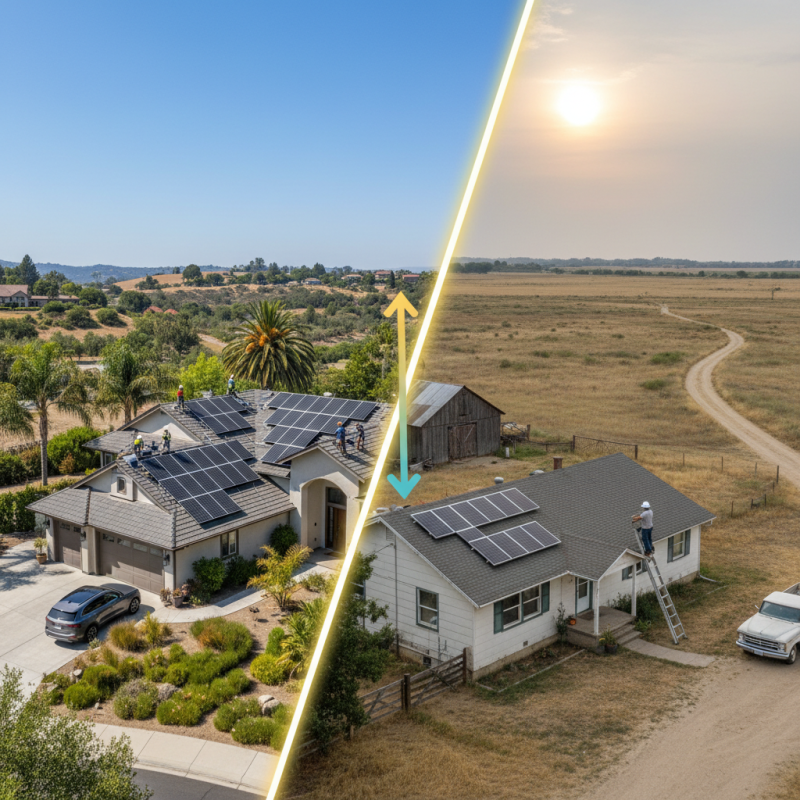
The cost of solar installation varies significantly across different regions. In urban areas, the average cost can range from $2.50 to $3.50 per watt. Meanwhile, rural installations may be as low as $1.50 per watt. This difference arises from labor costs, permitting fees, and local incentives. Areas with high demand often see higher prices due to competition among installers.
Moreover, geographical factors play a crucial role. States with abundant sunlight can often justify the investment faster. For example, Arizona boasts a solar payback period of about five years. Conversely, in regions with less solar radiation, this period extends to over ten years. These variations reflect how regional climates can influence the economy of solar investments.
Local regulations also contribute to the cost variability. Some areas have streamlined processes. Others involve extensive permitting and inspection, increasing costs. Affordability can become an issue for potential buyers. For example, complicated zoning regulations can deter installations, leading to missed opportunities for renewable energy growth. It’s important to understand these nuances when considering solar energy.
Why is Solar Installation Cost Varying So Much in Different Areas?
| Region |
Average Installation Cost ($/kW) |
Average Home Size (sq ft) |
Incentives Available |
Average Sunlight Hours/Day |
| California |
3.50 |
2,200 |
30% Federal Tax Credit |
5.5 |
| Texas |
2.95 |
2,400 |
No State Incentives |
5.7 |
| Florida |
3.20 |
2,100 |
10% State Credit |
5.2 |
| New York |
4.00 |
1,800 |
25% State Tax Credit |
4.5 |
| Nevada |
3.10 |
2,500 |
25% State Tax Abatement |
5.9 |
Key Factors Influencing Regional Solar Installation Prices
The costs of solar installation can vary remarkably across different regions. Several factors drive these disparities. One significant influence is local labor costs. Areas with higher wages tend to have steeper installation prices. For example, labor accounts for up to 30% of total solar system costs, according to industry reports.
Geographical location matters. Regions with abundant sunlight can benefit from lower overall energy costs. In contrast, places with fewer sunshine hours may require larger systems to meet the same energy output. A study found that solar systems in sunnier regions can generate 20-30% more energy. This added output can offset initial installation costs over time.
In addition, government incentives play a crucial role. States that offer substantial tax credits or rebates can drive down upfront costs. However, inconsistencies in local policies can lead to confusion. A recent report highlighted that some homeowners miss out on available incentives. They may not fully understand how to apply. This complex landscape can raise costs and discourage potential buyers.
Impact of State and Federal Incentives on Solar Costs
When it comes to solar installation costs, location plays a significant role. State and federal incentives drastically affect overall pricing. For instance, some states offer tax credits or rebates to homeowners going solar. This can make the system more affordable. It’s worth noting that these incentives often vary widely across regions.
In areas with robust government support, solar installation can be cheaper. Residents in these regions might save thousands of dollars. However, not all areas benefit from such incentives. Some states lack comprehensive programs. This inconsistency can lead to frustration for those interested in solar energy. It feels unfair when one region has so many advantages, while another does not.
Moreover, factors like local labor costs and permitting procedures can complicate the pricing landscape. In some cases, a streamlined process can lower expenses. Yet, bureaucratic hurdles might lead to unexpected costs. These variations highlight the complexity of the solar market. As it grows, both homeowners and policymakers need to reevaluate incentives regularly. Clear, consistent guidelines would help address these disparities.
Impact of State and Federal Incentives on Solar Installation Costs
Role of Local Labor Costs in Solar Energy Installation Pricing
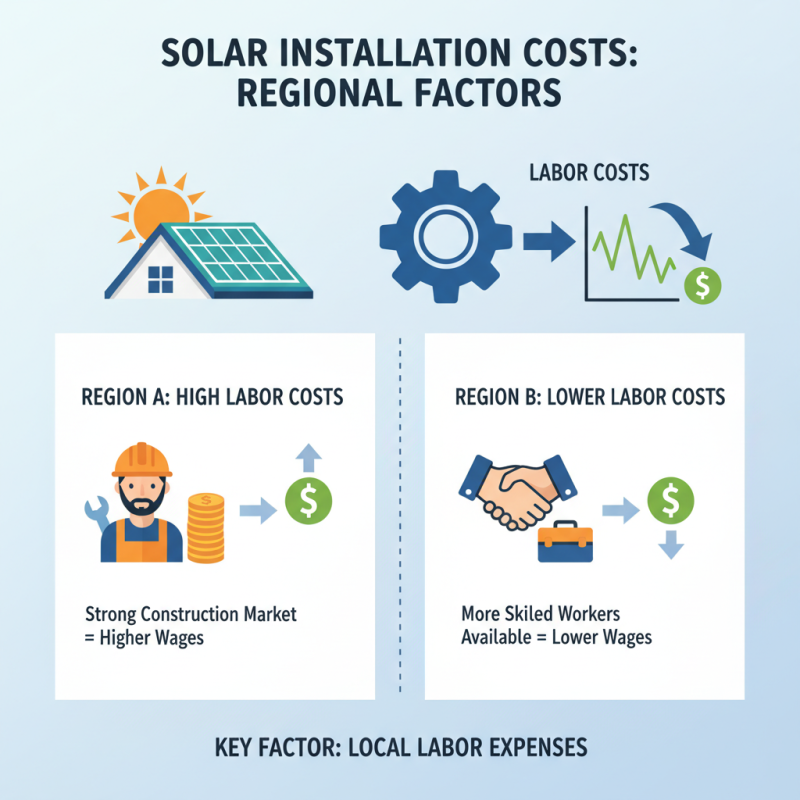
The cost of solar installation can differ widely across regions. One major factor is local labor costs. Labor expenses can vary due to the availability of skilled workers. In areas with a strong construction market, wages can be higher. This can directly impact the overall installation price.
Additionally, the complexity of local regulations affects labor costs. Some regions require extensive permits and inspections. Workers may spend extra time navigating these processes. This adds to the labor cost, making solar installation more expensive. In contrast, areas with fewer regulations might see lower labor costs, leading to cheaper installations.
However, it's crucial to consider the quality of workmanship, too. Lower labor costs might mean less experienced workers. This could compromise the installation quality. In some cases, customers pay less upfront but face higher maintenance costs later. Finding the right balance between labor cost and quality is key for smart solar investment.
Effect of Geographic and Climatic Conditions on Solar System Pricing
Solar installation costs can differ significantly across regions. This variation often stems from geographic and climatic conditions. For instance, sunny areas tend to see more solar installations. More sunlight leads to better energy output. However, places with frequent rain or snow get less efficiency from solar systems. This imbalance influences pricing.
Additionally, local regulations play a role. In some areas, stringent building codes elevate installation costs. Compliance with permits can take time and money. On the other hand, areas with supportive policies may see lower costs. Local incentives can help offset expenses. Climate-related installations may require additional features. This includes weatherproofing or enhanced materials for durability.
Cost differences can also arise from labor prices. Skilled workers are sometimes scarce in remote regions. This shortage leads to higher labor costs. Accessibility affects how easily solar panels are delivered and installed. Ultimately, the geographic and climatic elements shape the pricing landscape in diverse ways.